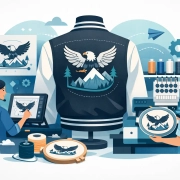

Fast Turnaround Digitizing Service That Delivers

A missed approval at 4 p.m. can turn into a production problem by dinner. When a customer needs caps for an event, polos for a sales team, or patches for a rush reorder, a fast turnaround digitizing service is not a nice extra. It is part of keeping your shop on schedule, protecting margins, and avoiding preventable machine time losses.

For embroidery businesses, apparel decorators, and branded merchandise suppliers, speed only matters when it comes with usable quality. A file delivered quickly but stitched poorly still costs you time. You lose it at the machine, during sew-out adjustments, and in client communication when the design does not match expectations. That is why serious buyers do not just ask how fast a digitizer can deliver. They ask whether the file is built for production.

What a fast turnaround digitizing service should actually do

A true fast turnaround digitizing service should help you move from artwork to production without extra friction. That means the file needs to reflect the garment type, stitch direction, underlay, density, push and pull compensation, and the design’s final size. If those decisions are rushed or handled without experience, the design may technically be digitized, but not ready for the realities of embroidery.

This matters even more when you are working across multiple categories. Left chest logos, cap fronts, jacket backs, towels, and patches do not behave the same way on the machine. Cap digitizing needs a different structure than flat goods. Towel embroidery needs planning for texture and coverage. Patch files need clean borders and consistent edge handling. Fast service is useful only when the digitizer understands these production differences from the start.

That is where outsourcing becomes a practical advantage. Shops that rely on high-volume order flow usually do better with a specialist partner than with inconsistent in-house coverage. Instead of pausing production to interpret art, assign stitch types, or rebuild files for different placements, they can send the job out and keep the floor moving.

Why speed matters beyond the deadline

Most customers think of turnaround time as a delivery promise. Production teams know it affects much more than that. A delayed digitized file can hold up quoting, proofing, machine scheduling, approvals, and shipping windows. One late step forces pressure onto every step after it.

A fast turnaround digitizing service gives your business more room to manage the full order, not just the art file. You can review the sew-out sooner, catch size issues before garments are loaded, and respond faster when a customer makes a last-minute change. That flexibility has real value, especially during peak periods when every hour counts.

There is also a staffing advantage. Many shops do not need a full-time in-house digitizer every day, but they do need dependable support at unpredictable times. Rush jobs, late approvals, and seasonal spikes rarely arrive on a perfect schedule. A service built around fast delivery and round-the-clock availability helps cover those gaps without adding fixed overhead.

Fast turnaround digitizing service for high-pressure jobs

Not every design has the same level of urgency or complexity. A simple left chest logo can often be digitized quickly at a flat rate, while a detailed jacket back with gradients, small lettering, and layered fills may need more planning. The right service provider is transparent about that difference.

What buyers want is not vague speed claims. They want realistic turnaround tied to the actual file type. If your shop handles a mix of caps, uniforms, promotional goods, and fashion pieces, you need a partner that can process routine jobs quickly without treating specialized files like afterthoughts.

That includes support for difficult applications. Cap embroidery needs clean center-out sequencing and smart compensation to avoid distortion. Towel designs need enough structure to sit above the nap without becoming heavy. Patch digitizing needs precision because any border inconsistency becomes obvious fast. A provider that handles these formats every day is more likely to deliver a file you can run with confidence.

What buyers should look for in a digitizing partner

If speed is a priority, it helps to look beyond the turnaround promise and assess how the service is built. High-volume capacity matters because it reduces the risk of delays when order counts spike. Dedicated digitizers matter because consistency is hard to maintain when work is passed around without process control. Clear pricing matters because rush work should not create confusion before the job even starts.

Support matters too. If you send artwork late at night, you should know whether someone will actually review it, respond to questions, and keep the order moving. For many decorators, 24/7 availability is not just a convenience. It matches how production really works, especially when customer approvals come in after business hours or when a reorder needs to be released first thing the next morning.

Accuracy is just as important as speed. A strong digitizing partner will interpret the artwork with production in mind, not simply trace shapes and assign stitches. That means understanding where to simplify detail, when to adjust for garment behavior, and how to preserve the look of the logo while making it embroidery-friendly. Good digitizing is part technical skill, part production judgment.

The trade-off buyers should understand

There is always a balance between complexity, speed, and price. Simple files can move fast and stay cost-efficient. More detailed designs may require extra time, especially if the source art is poor or the embroidery size is small. That does not mean a fast provider is cutting corners. It means the best providers know when a job can be turned quickly and when it needs careful handling.

For B2B buyers, predictable value is usually better than the cheapest possible file. A low-cost design that needs multiple edits, thread trims cleaned up, or density corrected at the machine is not really saving money. Reliable service reduces hidden production costs, which is why experienced shops often prioritize consistency over bargain pricing.

This is also why flat-rate pricing works well for common categories. When left chest logos and standard caps are priced clearly, estimating becomes easier and customer communication gets cleaner. You know what the art prep will cost before the job enters production, which helps protect your margin and speed up approvals.

Where outsourced digitizing fits into a growing shop

As order volume grows, artwork preparation becomes a bottleneck faster than many businesses expect. The sales side moves quickly. Customers send logos, request mockups, ask for alternate placements, and expect short lead times. If digitizing cannot keep pace, the whole workflow starts backing up.

A reliable outsourcing partner helps stabilize that process. Instead of building your schedule around whether someone has time to digitize, you can build it around delivery dates and machine capacity. That is a much healthier way to scale, especially for small-to-mid-sized shops that need professional output without expanding internal labor for every production stage.

This is where a provider like UltraEMB fits naturally into the workflow. The value is not only in getting files back in a few hours. It is in having a service model built for repeat business, specialized embroidery categories, and ongoing production support at reasonable rates.

Why the best fast service still feels controlled

The strongest digitizing services do not feel rushed. They feel organized. Files arrive on time, pricing is easy to understand, revisions are manageable, and communication stays clear. That creates confidence on the buyer side because you are not wondering whether each new order will become a production problem.

For embroidery and apparel businesses, that kind of reliability is a competitive advantage. It lets you quote faster, accept more rush work, and keep customers happy without overloading your internal team. And when the file quality holds up across caps, jackets, towels, patches, and standard logo placements, your operation gets stronger with every repeat order.

If your business depends on short timelines, a fast turnaround digitizing service should do more than send back a file quickly. It should help you produce clean results, reduce avoidable delays, and make your next deadline feel a lot more manageable.
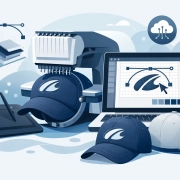

How to Digitize Logos for Caps Right

Cap jobs expose weak digitizing fast. A logo that runs clean on a flat left chest can break down on a curved cap front, especially when the artwork has small text, thin outlines, or stacked detail. If you are figuring out how to digitize logos for caps, the real goal is not just converting art into stitches. It is building a file that sews clean, holds shape, and stays production-friendly under real shop conditions.

For embroidery businesses and apparel decorators, that difference matters. Caps move fast, margins can be tight, and machine time gets expensive when a design needs repeated edits. Good cap digitizing reduces thread breaks, registration issues, distortion, and wasted blanks. It also helps you quote more confidently because you know the file is built for the product, not just for the screen.

How to digitize logos for caps starts with the cap itself

The first mistake is treating every cap the same. Structured trucker caps, low-profile cotton caps, performance caps, and unstructured styles all react differently under the needle. The front panel height, seam placement, crown firmness, and fabric surface all affect how the design should be digitized.

A structured cap gives you more support, but the center seam can still interfere with fine detail. An unstructured cap may not hold dense stitching as well, especially if the design has broad fills or sharp vertical elements. If the logo crosses the seam, pull and push compensation need more attention, and sequencing becomes more important.

That is why experienced digitizers ask about cap style before they build the file. The best result depends on the blank, not just the logo.

Clean artwork makes cap digitizing easier

Cap embroidery is not the place to force a low-quality JPG into production. If the source art is blurry, compressed, or inconsistent, the digitizing process slows down and the result usually suffers. Before any stitch planning starts, the artwork needs to be reviewed for shape clarity, spacing, and scale.

Logos with tiny taglines, hairline borders, distressed effects, gradients, or overlapping shadows often need simplification. That is not a compromise. It is production discipline. A cap front has limited embroidery space, and the curve of the panel makes small details even less reliable.

In many cases, the best path is to redraw or vectorize the logo first, then digitize from clean linework. That gives the digitizer accurate edges and better control over stitch direction, underlay, and density.

Size and placement change everything

A cap logo is usually not digitized at the same size logic as a left chest design. The front embroidery area is wide enough for strong branding, but not wide enough for unlimited detail. Most production issues begin when the logo is scaled down without adjusting stitch types, pathing, or spacing.

When sizing a cap design, you need to think beyond width and height. You need to think about readability from a normal viewing distance, how the design sits above the bill, and whether the shape works with the crown curve. A design that is technically within the embroidery area can still sew poorly if the elements are too dense or too close together.

This is where practical edits matter. Text may need to be enlarged. Thin gaps may need to be opened. A border might need to be thickened or removed. If the client wants the exact original art, the answer is not always yes. The better answer is often a production-ready version that keeps the brand recognizable while sewing well on caps.

Stitch type selection matters more on caps

Digitizing for caps is not just about tracing shapes. Stitch choice controls how the logo behaves on a curved surface. Satin stitches usually work well for columns, lettering, and bold outlines, but only within workable width limits. If a satin gets too wide, it can snag, loop, or lose consistency. If it gets too narrow, it may not hold enough coverage.

Fill stitches are often needed for larger areas, but they can create bulk fast on a cap front. Density has to be balanced carefully, especially over seams or on stiffer crowns. Too much fill can cause puckering, poor registration, and a heavy finished cap that looks overworked.

Running stitches are useful for detail and travel paths, but small decorative runs can disappear or sink into textured fabric. On caps, every stitch type has a trade-off. The right mix depends on the logo structure, fabric, and production speed you need.

The center seam is the problem you cannot ignore

If the logo is centered on the cap, the center seam becomes a technical issue from the start. It creates uneven height and resistance under the needle, and that can throw off fine details that would otherwise sew cleanly on flat goods.

Strong cap digitizing accounts for that seam with smart sequencing, compensation, and underlay choices. Wider satin elements often perform better than delicate detail over the seam. Symmetry also has to be handled carefully. A design may look mathematically balanced on screen but sew unevenly if both sides are not built to support the seam properly.

This is one reason cap files should be digitized specifically for caps, not converted from a flat embroidery file and sent straight to the machine. A left chest file can be a starting point, but it is rarely the final answer.

Pathing and sequence decide whether the file runs clean

A cap design can look great in software and still run badly on the machine. That usually comes down to pathing. Poor sequence creates unnecessary trims, weak registration, jump stitches, and unstable sewing order. On caps, those issues show up quickly because the garment is less forgiving than a flat panel.

Good pathing supports the natural flow of the design. It keeps the structure stable as the logo builds out, minimizes movement, and avoids sewing detail over unstable areas too early. Underlay has a major role here as well. It supports coverage and edge definition, but too much underlay can add bulk. Too little and the top stitching loses clarity.

Efficient sequencing also helps shops move faster. A cap file that runs with fewer stops and fewer corrections saves labor and protects your delivery schedule.

Testing is part of how to digitize logos for caps professionally

No serious production team assumes a cap file is perfect because it looks right in digitizing software. A test sew tells the truth. It shows whether the lettering holds, whether the fill coverage is balanced, and whether the seam causes distortion in the critical parts of the logo.

This is where many shops lose time. They skip the sample, then end up making edits after a failed production run. A better process is to sew a sample on a cap that matches the actual order as closely as possible. The thread, needle, backing, cap frame setup, and machine speed all influence the result.

If the logo needs adjustment, the changes should be made with production in mind. Sometimes that means increasing pull compensation. Sometimes it means changing stitch angle, reducing density, or simplifying small elements. The right edit depends on what the sample reveals.

When to outsource cap digitizing

For many shops, cap digitizing is where outsourcing starts to make the most financial sense. Caps are technically demanding, client-facing, and often deadline-sensitive. If your in-house team is stretched or your digitizing skill set is stronger on flats than headwear, outsourcing can protect both quality and turnaround.

A specialized digitizing partner can usually spot production risks before the file reaches your machine. That means fewer revisions, more predictable sew-outs, and less disruption on rush jobs. It also helps when pricing is flat and turnaround is fast, because you can plan jobs without guesswork.

UltraEMB works with embroidery businesses that need that kind of support every day – especially on cap designs that require clean execution, fast delivery, and consistent quality across repeat orders.

What a production-ready cap file should deliver

A good cap embroidery file is not judged by how complex it looks on screen. It is judged by whether it runs efficiently, reads clearly, and holds up across real production. That includes clean lettering, stable coverage, controlled stitch count, and logic that fits the cap style being used.

If a logo needs to be simplified to perform better, that is often the right call. If a design needs a separate version for caps instead of reusing the left chest file, that is also the right call. The best digitizing decisions are not about preserving every pixel of the original artwork. They are about preserving brand impact where the needle actually meets the cap.

When you approach cap digitizing that way, you get more than a file. You get fewer problems on the machine, better-looking finished goods, and a production process that is easier to trust when the deadline is close.

Flat Rate Embroidery Digitizing Explained

When a customer needs 24 polos, 12 caps, and a rush quote before lunch, pricing friction slows everything down. That is why flat rate embroidery digitizing matters. It gives embroidery shops, apparel decorators, and branded merchandise suppliers a faster way to price artwork prep, protect margins, and keep production moving without waiting on custom digitizing estimates for every standard job.

What flat rate embroidery digitizing actually means

Flat rate embroidery digitizing is simple in principle. Instead of pricing every logo file by stitch count alone or creating a custom quote for each order, the digitizing service charges a fixed price for common design categories such as left chest logos or cap designs. For busy shops, that removes a major bottleneck.

This model works best when the artwork falls into familiar production ranges. A standard left chest logo with average detail is one thing. A large jacket back with fine gradients, specialty fills, and unusual fabric behavior is another. The value of flat pricing is not that every design costs the same. The value is that the most common jobs can be priced quickly and consistently.

For a production business, that consistency matters more than it sounds. Estimators can quote faster. Sales teams can respond with confidence. Customers hear a clear number instead of a vague promise to “check with digitizing first.”

Why shops prefer flat rate embroidery digitizing

Most decorators are not looking for mystery pricing. They want a dependable cost structure they can build into estimates, reorder workflows, and customer service. Flat rate embroidery digitizing supports that way of working.

The first advantage is speed. If you already know what a left chest or cap file will cost to digitize, you can move from artwork approval to production planning without extra back and forth. That matters when your customer is comparing multiple vendors or trying to hit an event date.

The second advantage is margin control. Variable digitizing pricing can create small leaks in profitability, especially on lower-quantity jobs. Flat pricing gives you a cleaner way to protect markup because you are not adjusting your numbers every time a standard logo comes in.

The third advantage is scalability. As order volume grows, custom quoting for every file becomes harder to manage. A flat-rate structure reduces administrative drag and helps shops outsource digitizing without adding internal complexity.

This is one reason production-focused businesses rely on service partners rather than trying to staff every digitizing need in-house. A dependable outside team with clear rates and fast turnaround is often more practical than building a larger art department for fluctuating demand.

Where flat-rate pricing works best

Not every embroidery design belongs in the same pricing bucket, but many everyday jobs do. Flat-rate pricing is especially effective for designs that follow established size and placement standards.

Left chest logos

Left chest embroidery is one of the most common categories in the industry, which makes it a strong fit for flat pricing. Most businesses already know the approximate size range, expected detail level, and production use. When digitizing is priced consistently here, quoting uniforms, polos, jackets, and workwear gets much easier.

Cap digitizing

Caps need specialized handling because of center-out stitching, panel structure, push and pull compensation, and the physical shape of the hat. Even so, cap designs are common enough that many service providers offer a standard flat rate for them. For shops doing regular headwear business, this is a major operational benefit.

Patch and simple emblem work

Patch designs often follow repeatable construction methods, especially when they use clean borders, standard fills, and defined shapes. A flat rate can make sense when the design complexity stays within a predictable range.

Where flat-rate pricing has limits

Flat rate embroidery digitizing is useful, but it is not magic. Some artwork is too complex, too large, or too unusual to fit neatly into a standard category. If a provider claims every design can be handled at one low fixed price, that should raise questions.

Jacket backs are a common example. Large-format embroidery requires more planning, more stitch sequencing, and more risk management around registration and distortion. Towel designs can also be tricky because loft and texture affect underlay, density, and readability. Detailed patches, applique setups, 3D puff, or highly edited artwork may also need custom review.

This is where a professional service partner stands out. Good providers keep flat-rate pricing for standard jobs while being honest about exceptions. That balance protects quality. It also prevents the rushed, low-attention digitizing that causes production problems later.

The real value is not just price

Buyers often focus on the word flat because it suggests savings. Savings matter, but price alone is not the main reason this model works. The real advantage is predictability.

A predictable digitizing cost helps you build better systems around quoting, approvals, and scheduling. It helps sales staff answer faster. It helps account managers keep customer expectations realistic. It helps production managers avoid delays caused by waiting on art pricing.

That kind of stability has a direct commercial payoff. Faster quotes can win orders. Clearer pricing can reduce confusion. Reliable artwork prep can cut machine downtime and fewer sew-out surprises mean fewer expensive corrections.

Cheap digitizing that creates thread breaks, poor column definition, bad registration, or excessive stitch counts is not cost-effective. A fixed rate only helps when the output is production-ready.

What to look for in a flat-rate digitizing partner

If you outsource embroidery digitizing, the pricing model should support your workflow, not complicate it. The best flat-rate providers combine cost transparency with real production discipline.

Turnaround time is one of the first things to examine. Fast service only matters if the files are usable. A strong provider can deliver both, especially on standard logo categories that fit a flat-rate structure. For many shops, a three-to-four-hour turnaround on common jobs can make the difference between keeping and losing a rush order.

Availability matters too. Artwork questions do not always show up during normal office hours. Production issues, reorder requests, and customer revisions often happen early, late, or over weekends. A service built around 24/7 support is far more useful to a busy decoration business than one that disappears after five o’clock.

You should also look at specialization. Cap digitizing, jacket backs, towels, and patches all behave differently on press and on machine. A provider that understands those categories will make better decisions about underlay, density, pull compensation, and sequencing.

UltraEMB is positioned around exactly that kind of support model – fast turnaround, reasonable flat-rate pricing on common design types, and production-focused execution for shops that need dependable outsourced artwork services.

Why this pricing model supports growth

For small and mid-sized shops, growth often creates pressure before it creates efficiency. More orders mean more approvals, more quoting, more artwork checks, and more room for delays. Flat rate embroidery digitizing helps by removing one variable from that process.

Instead of stopping to recalculate digitizing costs for every incoming logo, your team can work from a known structure. That is especially useful for repeat accounts, uniform programs, promotional campaigns, and multi-item branded merchandise orders. The less internal friction you have around standard art prep, the easier it is to scale volume without sacrificing response time.

There is also a customer experience benefit. Buyers like clear pricing. They like hearing that a standard logo setup falls into a familiar cost range. It makes your shop look organized, confident, and easy to work with.

Flat-rate pricing still depends on quality control

Even with fixed pricing, embroidery digitizing is still technical work. Fabric type, backing, thread path, design size, stitch type, and machine behavior all affect the final result. That is why the best services do not treat flat-rate orders as copy-and-paste tasks.

A standard left chest logo on pique polo fabric may need different handling than the same logo on a softshell jacket. A cap design may need rebalancing for structure and sew direction. Flat-rate pricing should simplify billing, not eliminate craftsmanship.

That is the difference serious decorators care about. They are not just buying a file. They are buying smoother production, fewer corrections, and a partner that understands what happens after the design leaves the screen and hits the machine.

For shops that need speed, consistency, and a clearer cost structure, flat rate embroidery digitizing is a practical business tool. When it is backed by skilled digitizers, fast response, and honest category-based pricing, it helps you quote faster, produce smarter, and stay ready for the next order that lands with a deadline attached.

DST File vs PES File: What Shops Need

If a customer sends artwork at 4 p.m. and the job has to run before close, the wrong embroidery file format can slow production fast. That is why the question of dst file vs pes file matters more than most shops expect. It is not just a technical detail. It affects editing, machine compatibility, proofing, and how confidently you can move a logo from approval to stitch-out.

For embroidery businesses, apparel decorators, and production managers, DST and PES are two of the most common machine file types in daily use. They are not interchangeable in every situation, and one is not simply better than the other across the board. The right choice depends on the machine, the complexity of the design, and whether you need a production file only or a file that still gives you room to adjust.

DST file vs PES file at a glance

A DST file is one of the most widely accepted embroidery machine formats in commercial production. It is known for broad compatibility, especially with industrial embroidery machines. Shops often rely on DST because it is standard, practical, and easy to move through production workflows where the main goal is getting the job stitched accurately.

A PES file is commonly associated with Brother and Babylock embroidery systems, though it is also supported in many software environments. Compared with DST, PES can carry more design information. That extra data can make it more useful for previewing and, in some cases, editing design elements inside compatible software.

So when people ask about dst file vs pes file, the real answer is this: DST is often the safer universal production format, while PES can be more informative and flexible in the right setup.

What a DST file does well

DST has stayed relevant for years because it works. In production, that matters. When a shop is balancing left chest logos, cap runs, jacket backs, and rush orders, a dependable format with broad machine acceptance is a real advantage.

DST files primarily contain stitch data and machine movement instructions. They are lean, practical, and focused on execution. For many commercial embroidery businesses, that is exactly what they need. If the digitizing is done correctly, a DST file can run efficiently on a wide range of embroidery equipment without extra handling.

That said, DST is not rich in design metadata compared with some other formats. Depending on the software, color information may be limited or handled less clearly. Object-level editing is also more restricted. If someone on your team expects to reopen the file and make significant design changes easily, DST may not be the best working format for that stage.

This is where some shops get tripped up. They receive a DST, assume it is a flexible source file, and then realize later that changing sequence, stitch type behavior, or object properties is not as simple as expected.

What a PES file does well

PES files are often more comfortable for environments that use Brother-compatible systems or software that reads PES data well. In many cases, PES provides a clearer design preview and stores more information than DST. That can be helpful during approval and setup, especially when multiple people are reviewing a design before production.

For shops that do a mix of home, small business, or brand personalization work on PES-friendly equipment, this format can fit naturally into the workflow. It can be easier to visualize the design before stitching, and in some software setups, editing can be more manageable than with a stripped-down machine format.

But PES is not the universal answer either. Compatibility depends more on the equipment and software in use. In a commercial shop with mixed machine brands or outsourced production partners, relying only on PES can create avoidable friction. If your downstream team or contract embroiderer needs DST, you may still end up converting or requesting another file.

The biggest difference is not the extension

The biggest production difference in dst file vs pes file is not just the file name. It is the amount of usable information inside the file and how your equipment interprets it.

DST is often treated as a final run file. It tells the machine where to go and what to stitch, but it does not always preserve the richer design structure that helps with modifications. PES can hold more detail, which may support viewing and adjustment more effectively in compatible systems.

That matters when a customer changes thread colors at the last minute, requests a size revision, or asks to adapt a left chest logo for a cap. If you are working from a file format that is limited for edits, the revision process can become slower and less predictable. In those cases, the value is not in the extension itself. The value is in whether the file supports the next step without rework.

Which format is better for embroidery shops?

For many commercial embroidery shops, DST remains the safer default delivery format. It is widely accepted, production-friendly, and practical for machine output. If your goal is consistent stitch execution across common commercial equipment, DST usually belongs in the file package.

PES is often better when the machine specifically requires it or when your workflow benefits from the extra design information it carries. Shops using Brother-based equipment may prefer PES because it fits their setup more naturally. Smaller personalization businesses may also find PES more convenient for day-to-day use.

So the better format depends on the job. If you run industrial production across multiple machine environments, DST is hard to beat for compatibility. If your setup is built around PES-compatible equipment and software, PES may offer a smoother operator experience.

DST file vs PES file for editing and revisions

This is where the wrong assumption can cost time. Neither DST nor PES should automatically be treated as your best master editing file. They are machine formats first. Some software can do more with PES than DST, but major edits are still better handled from the original digitized source file whenever possible.

For example, if a client wants a logo resized from 4 inches to 2.5 inches, a simple machine-file conversion is not always enough. Density, underlay, pull compensation, and stitch direction may all need adjustment. The same goes for moving a flat logo onto a cap format where center-out sequencing and push-pull behavior become more critical.

That is why professional digitizing support matters more than the format debate alone. A clean DST or PES file is only as good as the digitizing behind it. If the file was built quickly without proper compensation, trim logic, and sequencing, the extension will not save the stitch-out.

How to choose the right file for the job

Start with the machine you are actually running, not the file someone happens to have on hand. If your embroidery machine performs best with DST, request DST. If your workflow is built for PES, ask for PES. That sounds obvious, but plenty of delays happen because teams accept whatever file arrives and try to make it fit later.

Next, think about whether you need a final production file or a format that supports review and possible revisions. If the design is approved, tested, and ready to run, DST is often enough. If the customer is still changing details or if the operator wants clearer on-screen information in a PES-based environment, PES may be the better option.

Also consider who else touches the file. If you outsource sewing, share jobs across locations, or run a mix of machine brands, broad compatibility matters. In those cases, DST usually offers fewer headaches.

Why shops often request both

Many experienced decorators do not choose one format forever. They request the format needed for the machine and keep additional files for workflow flexibility. That approach reduces delays when a job shifts from one machine to another or when a client comes back with a revision.

In professional production support, it is common to deliver according to machine requirements while keeping the job organized for future use. That is one reason outsourced digitizing partners are valuable. A reliable partner can prepare the design correctly the first time and deliver the file type your operation needs without guesswork. UltraEMB works in that reality every day, where speed only matters if the file is also right.

The format matters, but the digitizing matters more

Shops sometimes spend too much time comparing file extensions and not enough time checking whether the design was digitized for the fabric, placement, and machine speed involved. A jacket back, a structured cap, and a towel do not behave the same way. Even the best format choice cannot fix poor pathing or bad compensation.

That is the practical takeaway in the dst file vs pes file discussion. Choose the file that matches your machine and workflow, but make sure the embroidery was professionally digitized for the actual product being sewn. When the file is prepared with production in mind, your approvals move faster, your stitch-outs run cleaner, and your team spends less time troubleshooting at the machine.

If you are deciding what to request on your next order, ask a simple question first: what file will help this job run right the first time?

Embroidery Digitizing Guide for Print Shops

A client sends a clean logo at 4:10 p.m. and wants polos on press tonight. That is exactly when an embroidery digitizing guide for print shops stops being a nice resource and becomes a production tool. If your shop handles decorated apparel, branded merch, or contract work, digitizing is where embroidery either stays profitable or turns into a string of slow approvals, thread breaks, and reruns.

Print shops often enter embroidery from the artwork side. The customer already knows your team for screen printing, DTF, DTG, signs, or promo products, so adding stitched decoration feels like a natural extension. The catch is that embroidery is not print translated to thread. It runs on stitch types, pull compensation, underlay, sequencing, density, push and pull, cap angles, and garment behavior. That difference is why good artwork can still sew poorly.

Why print shops need an embroidery digitizing guide

The biggest mistake new embroidery sellers make is treating a digitized file like a one-time conversion. In real production, the same logo may need a left chest version for polos, a simplified version for caps, a larger version for hoodies, and a cleaner build for towels or patches. One design rarely fits every application without edits.

That matters for margins. A file that looks fine on screen can still run slowly, pucker lightweight garments, lose detail on textured fleece, or break down on cap seams. Every issue adds cost through operator time, sample approvals, wasted garments, and delayed shipments. A dependable digitizing process protects both quality and turnaround.

For most print shops, the goal is not becoming a full in-house digitizing studio. The goal is getting embroidery-ready files fast, at predictable pricing, with enough technical accuracy to keep machines moving and customers happy.

Start with artwork that can actually be digitized

Digitizing quality starts before a single stitch is assigned. Customer art arrives in all kinds of condition – low-resolution screenshots, flattened social media logos, compressed JPEGs, and brand files built for web only. When the source is weak, digitizing gets slower and the risk of approval issues goes up.

Vector art is the best starting point because it preserves clean edges, proportions, and separate elements. If vector is not available, a high-resolution raster file can still work, but it may need cleanup or redrawing first. This is especially true for logos with fine type, thin outlines, gradients, distressed effects, or overlapping transparent elements.

Print shops that sell both print and embroidery do well when they review art through an embroidery lens early. Ask what size the logo will run, what garment it will sew on, and whether the customer expects exact detail replication. Sometimes the right move is not forcing every printed detail into stitches. Sometimes the right move is simplifying the design so it performs better on fabric.

What should be checked before digitizing

At minimum, confirm final size, placement, garment type, backing, and thread colors. A left chest logo at 3.75 inches wide has very different limits than a 10-inch jacket back. The same applies to a structured cap versus a soft tee.

You should also flag tiny text early. If lettering is too small for satin stitches, it may need to be enlarged, converted to a fill, or removed. Catching that before digitizing saves revision rounds later.

Stitch logic matters more than software presets

Digitizing software can speed up production, but presets do not replace judgment. Good digitizing is not just converting shapes into stitches. It is deciding how those stitches should behave on a specific product.

Underlay supports the top stitching and helps control distortion. Density affects coverage, but more density is not always better. Excessive density can create stiffness, cause thread breaks, and push registration off. Pull compensation helps shapes hold their intended form after sewing. Sequence planning reduces trims and keeps the design clean. These choices directly affect machine time and finished appearance.

This is where many print shops hit a ceiling with beginner-level in-house attempts. The file may sew, but not efficiently. If the machine runs slowly, if outlines do not line up, or if fills sink into fabric, you are no longer saving money just because the file was made internally.

An embroidery digitizing guide for print shops by product type

Different products need different file strategies. Left chest logos usually need restraint. Small areas, compact lettering, and clean sequencing matter more than trying to preserve every tiny visual detail from a print file. If the logo reads clearly from a normal viewing distance, it is doing its job.

Caps are more demanding. The sewing field, center seam, panel structure, and typical run direction all affect how a design should be built. A cap file often needs stronger underlay, different sequencing, and shape adjustments that would not be used on a flat garment.

Jacket backs give you more space, but they also raise expectations. Large fills need to run efficiently, and broad stitch areas must be balanced so they do not distort or add too much production time. Towels introduce nap, which can bury detail unless underlay and density are handled correctly. Patch digitizing has its own logic because borders, edge treatment, and clean shape definition matter as much as internal stitch quality.

For print shops, this means quoting embroidery based on application, not just logo complexity. A left chest, cap, and patch version of the same mark are not interchangeable deliverables.

Build a workflow that protects turnaround

Most embroidery bottlenecks are workflow problems before they become machine problems. Shops stay efficient when they standardize intake. Every order should capture the same production details: garment type, placement, size, color count, deadline, and whether the file already exists.

Approval handling also needs discipline. Send a clear sew-out preview or proof process, but do not leave room for open-ended art direction after production starts. If the customer approved a simplified embroidery version, that approval should be documented. This matters when logos contain effects that cannot be recreated in thread.

Version control is another common weakness. Save files by customer, application, and size so your team does not accidentally reuse a flat-garment file on caps or send an old revision into production. Small organizational gaps create expensive errors.

When outsourcing makes more sense

If your embroidery volume is inconsistent, outsourcing digitizing is usually the stronger business decision. You avoid hiring specialized staff, buying more software seats, and spending production hours on revisions your team is still learning to solve.

Outsourcing also helps when customers need quick turnarounds across multiple decoration methods. A production partner that can handle logo digitizing, cap digitizing, jacket backs, towels, patches, and vector cleanup gives your shop more flexibility without adding overhead. For many growing shops, that is the difference between offering embroidery occasionally and selling it confidently.

Companies like UltraEMB fit this model well because speed, flat-rate pricing on common design types, and around-the-clock support line up with the way print shops actually operate – deadline first, quality close behind, and no appetite for surprise costs.

Pricing digitizing without hurting your margins

A lot of print shops undercharge because they treat digitizing as a small setup fee rather than a production service. That works until revisions pile up or specialized files take longer than expected.

A smarter approach is to separate digitizing from embroidery run charges and price it according to application complexity. Flat-rate structures work well for standard left chest and cap designs because they are easy for customers to understand. More specialized jobs like jacket backs, towels, and patches may need tiered pricing because stitch count alone does not reflect the work involved.

There is a trade-off here. If you hide digitizing inside the embroidery price, you may win simple jobs faster, but you risk losing margin on first-time orders and custom placements. If you break it out clearly, customers understand the value of the file and your shop protects labor.

Quality control should happen before production, not after complaints

A clean proof is not the same as a clean sew-out. Test stitching still matters, especially for new logos, unusual garments, and premium client work. Watching the design sew tells you where trims are excessive, where distortion appears, and whether registration holds.

Shops that grow embroidery profitably usually create a short pre-production review: confirm file version, hoop size, stabilizer, thread colors, and machine settings. That process takes minutes and prevents avoidable reruns.

The best embroidery digitizing guide for print shops is the one your team can use fast

Your shop does not need theory for theory’s sake. It needs a repeatable way to take customer art, turn it into a production-ready file, and get decorated goods out the door on time. That means cleaner intake, realistic expectations, application-specific digitizing, and a reliable partner when internal bandwidth gets tight.

Embroidery can become one of the strongest upsells in a print shop, but only when digitizing supports production instead of slowing it down. The shops that win here are not guessing. They know which artwork needs cleanup, which logos need simplification, and when outsourcing is the smartest move.

If you want embroidery to add revenue without adding chaos, start by tightening the file side of the operation. Better stitches begin long before the machine starts sewing.

Flat Rate Vector Conversion Service Explained

When a customer sends over a blurry JPG five minutes before production, pricing should not become the next problem. A flat rate vector conversion service gives apparel decorators, print shops, and branded merchandise suppliers a clear cost before work starts, so teams can move from approval to production without the usual back-and-forth.

That matters more than it sounds. In a busy shop, artwork delays do not stay in the art department. They affect quoting, scheduling, proofing, press time, and client communication. If you regularly handle logos for screen print, signage, heat transfer, DTF, promotional items, or embroidery support files, a predictable vector conversion workflow is not a nice extra. It is part of keeping jobs profitable.

Why a flat rate vector conversion service works

Most buyers are not looking for design theory. They want clean vector files, fast turnaround, and pricing that makes sense at scale. A flat rate vector conversion service solves a common frustration with custom quoting – small jobs take too long to price, and simple logo redraws end up buried under admin time.

With flat pricing, the buyer knows what to expect on standard artwork types. That helps with margin planning, especially for shops quoting dozens of jobs each week. It also makes it easier for customer service teams to answer quickly instead of waiting for art review before giving the client a number.

There is also a trust factor. Buyers who outsource artwork repeatedly want consistency. If one basic logo costs one amount this week and something very different next week, confidence drops fast. Predictable pricing supports repeat business because it removes one more variable from the production cycle.

What shops actually need from vector conversion

A production-ready vector file is not just a cleaner version of a logo. It is a file that can hold up across real-world use. That means clean paths, correct shapes, smooth curves, readable text treatment, and proper file preparation for the output method.

For apparel decorators, this often means artwork that can scale from a small left chest print to larger branding applications without turning rough at the edges. For signage and promo suppliers, it means files that stay sharp on banners, vehicle graphics, product packaging, and display materials. For embroidery businesses, vector conversion also plays a support role when art needs to be cleaned before digitizing or approved for multi-use branding programs.

That is where professional conversion matters. Auto-trace tools can be useful for rough internal mockups, but they often create too many points, uneven lines, and distorted curves. Those shortcuts become expensive when they hit production. A shop may save a few dollars upfront and lose much more in revisions, approval delays, or poor output.

Where flat-rate pricing helps most

The biggest advantage shows up in high-volume environments. If you are quoting left chest logos, cap graphics, sponsor marks, badge art, and simple company logos every day, you need an art partner that can keep pace without turning every order into a separate pricing discussion.

A flat-rate model is especially useful for repeat design categories. Think standard logos, moderate redraws, and common business artwork that does not require custom illustration from scratch. In these cases, the service is not replacing a creative agency. It is supporting production with dependable file conversion.

That distinction matters. Not every art job should be flat rate. A heavily distressed graphic, a missing-letter logo rebuilt from a photo, or a complex mascot illustration may need custom review. The best providers are clear about that. They use flat rates where they make sense and flag exceptions before they become problems.

Speed matters, but accuracy matters more

Fast turnaround is a real competitive advantage, especially when approvals come late and production windows are tight. But turnaround only helps if the file is correct the first time. A quick file that still needs edits is not truly fast.

A strong vector conversion partner understands production pressure. They know that a sales rep is waiting on a proof, a machine schedule is already set, and the end customer does not care why the artwork queue fell behind. That is why the right service combines quick delivery with practical accuracy – correct line work, organized file output, and artwork that is ready for the next step.

For many buyers, support availability also matters. Artwork issues do not always show up during business hours. Shops handling multiple time zones, rush orders, or holiday production often need responses outside a standard 9-to-5 schedule. Around-the-clock coverage can make a major difference when one delayed logo holds up an entire order.

What to look for in a provider

If you are choosing a flat rate vector conversion service, start with operational reliability. Price only helps if the provider can actually deliver consistently. Look for a team that handles volume, communicates clearly, and understands production use cases rather than just graphic cleanup.

File quality should be the first checkpoint. Ask whether the provider creates clean, editable vector files instead of relying on automatic tracing. You also want clarity on formats and output expectations. Different shops may need AI, EPS, PDF, SVG, or other production-friendly formats depending on the job.

Turnaround is next. If your business depends on same-day or near-real-time support, a provider with slow standard delivery may create more friction than value. Fast service is particularly important for contract decorators, print resellers, and growing shops that cannot afford idle time.

Pricing transparency is just as important. A provider should explain what falls within the flat rate and what counts as a more complex exception. That gives buyers confidence and reduces billing surprises. Shops that run lean and quote aggressively need that clarity.

Finally, pay attention to support. Good artwork providers do more than send files. They respond to revision needs, answer practical questions, and help keep jobs moving. That service mindset is often what separates a one-time vendor from a long-term production partner.

The business case for outsourcing vector conversion

Keeping vector conversion in-house sounds attractive until the workload spikes. Then your design staff gets pulled away from customer-facing creative work to redraw basic logos and clean low-resolution art. That can slow down more valuable work and create bottlenecks during peak periods.

Outsourcing gives shops more room to scale. Instead of hiring around every surge in order volume, they can send standard conversion work to specialists and keep internal teams focused on sales support, proofing, branding, and higher-level design tasks. For small and mid-sized businesses, that flexibility is often the difference between controlled growth and constant production stress.

There is also a cost-control angle. Flat-rate pricing makes outsourcing easier to budget because each standard conversion is tied to a known amount. That simplifies quoting and helps protect margins on jobs where art prep can quietly eat into profit.

For businesses that handle recurring clients, outsourcing can also improve consistency. The same external team sees similar logos, file issues, and production expectations over time. That familiarity reduces friction and improves output quality across repeat orders.

When flat rate is the better buying model

A flat-rate structure is usually the strongest fit when your shop processes regular logo conversion work and values speed, consistency, and easy quoting. It is well suited to production environments where artwork needs to move quickly and cost predictability matters.

It may be less ideal if most of your art requests involve heavy illustration, advanced branding development, or one-off creative concepts. In those cases, custom pricing may reflect the work more accurately. The key is not choosing the cheapest model. It is choosing the model that matches the kind of artwork your business handles every day.

For many decorators and print providers, the practical answer is simple. Standardize the common work, review the exceptions, and keep production moving. That is why a company like UltraEMB builds around fast turnaround, accessible support, and straightforward pricing for high-frequency production needs.

A flat rate vector conversion service is not just about saving a few dollars on art cleanup. It is about removing delays, controlling quoting friction, and giving your team one less thing to chase when deadlines are already tight. If your shop depends on clean artwork and reliable turnaround, predictable service is not a convenience. It is part of how you stay competitive.

24 Hour Embroidery Digitizing Service

A client approves the logo at 4:30 p.m., the garments are on the floor by 8:00 a.m., and your machine cannot run a JPG. That gap between artwork approval and production is where a 24 hour embroidery digitizing service earns its keep. For shops that live by customer deadlines, rush events, and repeat reorder schedules, fast digitizing is not a bonus. It is part of staying profitable.

The real issue is not just speed. It is whether the file you receive is clean, balanced, and ready to sew on the actual item being decorated. A fast file that causes thread breaks, poor coverage, push-pull distortion, or ugly small text can cost more than the hours you saved. That is why experienced decorators look for turnaround and stitch quality together.

Why a 24 hour embroidery digitizing service matters

Embroidery production runs on timing. Blank goods arrive late, approvals come in after business hours, and client expectations do not slow down because your in-house digitizer is booked. When digitizing becomes a bottleneck, every downstream step gets squeezed – hooping, sampling, production, packing, and delivery.

A dependable 24 hour embroidery digitizing service gives shops room to keep selling without overloading internal staff. It supports the practical reality of custom apparel: left chest logos for corporate wear, cap files for promo orders, jacket backs for team gear, patches for branding programs, and specialty items that need more than a quick auto-conversion.

For many businesses, this is less about emergency rescue and more about workflow design. If your shop handles steady daily orders, outsourced digitizing can be the difference between predictable production and constant schedule compression.

Speed is useful only when the file is production-ready

A digitized design has one job: run well on the machine and look right on the finished product. That sounds simple, but embroidery is not just tracing art into stitches. Every material, stitch type, underlay choice, density decision, and sequence adjustment affects the result.

A left chest logo on a pique polo behaves differently than the same design on a structured cap. A towel needs handling for nap and texture. A jacket back introduces scale, travel path, and registration concerns. A patch design may need cleaner borders, better edge support, and more controlled stitch flow. Fast service only matters if the digitizer understands those differences before the file reaches your machine.

This is where professional digitizing separates itself from bargain shortcuts. The goal is not to generate stitches as quickly as possible. The goal is to create an efficient file that sews cleanly, minimizes production issues, and protects your margin.

What buyers should expect from a serious turnaround partner

If you are shopping for outsourced support, look beyond a broad promise of “same day” or “next day.” A real production partner should be clear about what happens under deadline pressure and what types of files they handle best.

Turnaround time should be specific, not vague. Many standard designs can move much faster than 24 hours, especially common business logos, cap files, and left chest embroidery. At the same time, complex artwork, oversized jacket backs, and highly detailed patch layouts may need a little more care. The right provider tells you when a file is straightforward and when it needs extra attention.

Pricing should also be predictable. Shops managing multiple orders do not want to renegotiate every simple logo. Flat-rate structures on common design categories make planning easier and help you quote clients with confidence. That matters when you are balancing decorator margins, reorder volume, and customer expectations.

Support availability is another practical factor. Orders do not arrive only during office hours. If your team works evenings, weekends, or holiday production windows, access to responsive service matters just as much as technical quality. Quick communication can prevent small artwork questions from turning into missed ship dates.

Where fast digitizing helps most

The biggest gains usually show up in repeat-heavy and deadline-sensitive environments. Embroidery shops and apparel decorators often need overflow support when incoming jobs outpace in-house capacity. Promotional product suppliers need logos converted quickly so branded merchandise can move to approval and production. Print shops adding embroidery services need reliable outside expertise without building a full digitizing department.

Fashion brands and small businesses also benefit when they want scalable support without hiring for a specialized technical role. Digitizing is skilled production work. It takes software knowledge, stitch judgment, and application-specific experience. Outsourcing gives growing businesses access to that capability without carrying the full internal cost.

For agencies and brand managers, speed supports consistency. If logos are digitized properly the first time, reorders become easier, vendor coordination improves, and branded apparel programs stay on track.

The trade-off: rush speed versus file complexity

Not every job should be rushed in the exact same way. That is the honest part of this conversation.

Simple logos with clean shapes and readable text are ideal for fast turnaround. These jobs benefit most from a responsive production team because the path from artwork to stitch file is efficient. More complex art can still be turned quickly, but the expectations should match the design. Tiny details, gradients translated into stitch effects, distressed artwork, and oversized layouts require decisions that affect sewability.

That does not mean you cannot request speed. It means a good service will make smart production choices instead of forcing impossible detail into the embroidery. Sometimes that means simplifying an area, adjusting lettering, or recommending a better stitch treatment for the garment. Those choices protect the final result.

For buyers, this is a good sign. You do not want a digitizer who says yes to everything and leaves your operators to deal with the consequences.

A 24 hour embroidery digitizing service should reduce production stress

The best outsourced support does more than send back a file. It reduces friction across your workflow.

That starts with file readiness. The design should be assigned with the intended application in mind, whether that is cap embroidery, flat goods, towels, patches, or large-format jacket backs. It should also be built for efficiency, so your machines are not wasting motion or creating avoidable trim and registration issues.

It also shows up in communication. If artwork quality is poor, the service team should flag it. If a logo will not sew well at the requested size, they should say so before production starts. If a file can be completed in a few hours instead of making you wait until the next day, that responsiveness has real value.

Companies like UltraEMB stand out in this area because they are built around production support, not one-off design experiments. For busy shops, that matters. You need a partner that understands volume, deadlines, and the commercial side of apparel decoration.

What to look for before sending your next order

When you test a provider, do not judge them only by how fast the email arrives. Judge them by what happens after the file hits the machine.

Look at stitch clarity in small lettering. Check fill consistency on challenging fabrics. Watch whether the file runs smoothly or creates unnecessary stops. Pay attention to how caps, jackets, towels, and patches are handled, because those applications reveal whether the digitizer is thinking like a production specialist or just converting shapes on a screen.

You should also notice whether pricing and service stay consistent over time. A reliable vendor is valuable not because they save you once during a rush, but because they become part of a repeatable system. That is where outsourcing starts to improve capacity, quoting speed, and customer retention.

If your business depends on quick approvals, overnight scheduling, or handling more orders without adding internal overhead, a 24 hour embroidery digitizing service is not just convenient. It is a practical way to protect deadlines and keep quality under control. The right partner gives you more than speed. They give you confidence to say yes to the next job.

Patch Digitizing Service That Gets Results

A patch that looks sharp on screen can still fail on press if the stitch file is built the wrong way. That is why a reliable patch digitizing service matters. When you are producing embroidered patches for uniforms, retail drops, teamwear, workwear, or promotional orders, every detail in the file affects run quality, edge definition, thread coverage, and delivery time.

Patch embroidery is less forgiving than many standard logo applications. The border has to hold. Small text has to stay readable. Fill areas need to sit cleanly inside a defined shape without pushing or distortion. If the digitizing is off, the patch may look heavy, uneven, or inconsistent from piece to piece. For shops that sell finished goods on deadlines, that is not a small issue. It affects rework, waste, margins, and customer confidence.

Why patch digitizing service matters in production

A good patch file is not just a converted logo. It is a stitch plan built for a very specific product type. Patches behave differently than left chest embroidery or cap embroidery because they often involve tighter borders, denser fills, cleaner shape control, and a stronger visual emphasis on the edge.

This is where many production problems begin. Artwork that looks simple can become difficult once it is translated into stitches on twill, felt, or other patch bases. Curves can flatten out. Lettering can close up. Borders can wobble if the underlay and stitch path are not handled properly. A professional patch digitizing service accounts for those issues before the file reaches your machine.

For embroidery businesses and apparel decorators, that means fewer surprises in sampling and a smoother path to final production. You are not just buying a file. You are buying predictability.

What separates a strong patch digitizing service from a basic one

Speed matters, but speed without control creates more work later. The real value is in getting a file that runs cleanly and supports your shop’s workflow.

A strong patch digitizing service starts by reading the artwork with production in mind. That includes evaluating border thickness, stitch direction, sequence, compensation, lettering size, and how the design will hold up at the intended patch dimensions. Some designs need cleanup or simplification before digitizing starts. Others need certain elements adjusted so the final patch still looks true to the brand without becoming unstable in production.

This is especially important for shops handling repeat orders or customer programs. If one patch run looks different from the next, the issue often traces back to file quality, not machine capability alone. Consistent digitizing supports consistent output.

There is also a practical business side to this. If your team spends extra time editing stitch files, testing bad files, or explaining delays to customers, the real cost of cheap digitizing goes up fast. A service that delivers usable files quickly can save more than it costs.

Patch digitizing service for different patch styles

Not every patch is built the same way, and that affects digitizing decisions. A file for a merrow border patch is not approached exactly like a file for a laser-cut or satin border patch. The edge treatment changes how the design should be balanced inside the shape.

For traditional embroidered patches, the border usually needs to be bold enough to frame the design and protect the shape. For detailed patches with fine lettering or emblem-style artwork, spacing becomes critical. If elements are packed too tightly, thread spread can reduce clarity.

Tactical patches, name patches, biker patches, uniform patches, and fashion patches all come with different production priorities. Some need maximum readability. Some need a strong retail finish. Some are built for volume and durability. An experienced digitizer knows when to preserve detail and when to simplify for better sew-out performance.

That trade-off matters. Chasing every tiny line from the original art may satisfy the screen preview, but it can hurt the actual patch. Clean production usually beats over-digitized detail.

The impact on turnaround, waste, and customer satisfaction

If you run an embroidery shop, you already know the bottleneck is rarely just machine time. It is approvals, file fixes, test runs, and jobs that stall because the artwork was not production-ready.

A dependable patch digitizing service helps shorten that cycle. Fast turnaround is valuable when it is paired with accuracy. Getting a quality file in a few hours instead of waiting a day or two can keep your schedule intact, especially when a client adds a rush patch order or changes artwork late in the process.

There is also less waste when the file is properly engineered from the start. Fewer thread breaks, fewer distorted borders, and fewer rejected samples all protect your margin. For high-volume decorators and promotional product suppliers, those efficiencies compound over time.

Customers may never ask how the digitizing was done, but they notice the result. They notice clean edges, balanced stitching, and a patch that looks professional when it reaches the garment, hat, bag, or backing card. Better files quietly improve the customer experience.

What to look for before you place an order

If you outsource regularly, the best partner is not always the one making the biggest claims. It is the one that aligns with your production reality.

Look for a patch digitizing service that understands commercial deadlines, not just design theory. Clear pricing helps because it removes guesswork from quoting. Fast response times matter because production questions do not always happen during normal office hours. Reliable revision support matters too, since some jobs need minor tuning after a first sample.

It also helps to work with a team that handles a wide range of embroidery digitizing, not just patches in isolation. Shops often move between left chest logos, caps, jacket backs, towels, and patch programs in the same week. A partner with broader capability can support your workload more efficiently.

File quality should still lead the conversation. Ask yourself whether the service is likely to produce a machine-ready result or just a technically completed file. Those are not always the same thing.

Why outsourcing patch digitizing service makes business sense

For many shops, in-house digitizing sounds efficient until volume increases. Then it becomes another pressure point. You need trained staff, review time, software, and enough availability to absorb rush work without slowing down everything else.

Outsourcing gives you flexibility. You can scale up during busy periods, keep your internal team focused on production and customer service, and avoid the overhead of building out a full digitizing department. That is especially useful for smaller operations and growing decorators that need professional output without fixed staffing costs.

It also helps larger businesses. High-volume shops often outsource because even a capable in-house team can get overloaded. When deadlines stack up, external support protects turnaround commitments.

A service partner like UltraEMB is built around that model – fast, affordable, and available when your production calendar does not leave room for delays. That kind of support is valuable whether you need one patch file today or ongoing help every week.

Patch digitizing service and long-term workflow stability

The best outsourcing relationships are not built on one urgent job. They are built on repeatable performance. When your digitizing partner consistently delivers clean patch files, your quoting becomes more confident, your scheduling gets tighter, and your team spends less time troubleshooting.

That stability is easy to underestimate. It shows up in fewer hold-ups, faster approvals, and better consistency across repeat orders. It also gives you room to take on more work without wondering if file prep will become the weak link.

There will always be jobs that need extra attention. Complex badge shapes, tiny text, high-stitch-count fills, and layered emblem designs can all require adjustments. A good partner does not treat those as exceptions to avoid. They treat them as production problems to solve.

If patches are part of your product mix, the file behind the embroidery deserves as much attention as the machine running it. A dependable patch digitizing service helps you protect quality, move faster, and deliver a finished product your customers will want to reorder. When your stitch files are built right, the rest of production gets a lot easier.

Towel Embroidery Digitizing Service That Works

A logo that looks sharp on a polo can fall apart fast on a towel. Terry cloth has height, texture, and movement, which means standard embroidery settings often produce buried details, uneven fills, and lettering that loses clarity. That is exactly why a professional towel embroidery digitizing service matters. If you decorate towels for resorts, gyms, spas, golf events, promo campaigns, or retail programs, the file has to be built for the fabric, not just converted for embroidery.

Towels are one of the easiest products to underestimate in production. At first glance, they seem simple – large imprint area, familiar material, straightforward branding. In practice, towel embroidery creates a different set of technical demands than caps, jackets, or left chest logos. The pile can swallow small elements, outlines can break up, and stitch density that works on flatter garments can create distortion or excessive push and pull.

Why towel embroidery digitizing service is different

A towel embroidery digitizing service is not just about turning artwork into a machine-readable file. It is about deciding how that artwork should be reinterpreted for thick, textured fabric. Good digitizing for towels accounts for nap direction, underlay strategy, stitch types, density balance, compensation, and readability at finished size.

That changes the way experienced digitizers approach the design. Fine serif lettering may need adjustment. Thin outlines may need to be opened up or simplified. Small negative spaces often need to be enlarged so they do not close during stitching. Even the sequence matters more than many buyers expect, because towels can shift and react differently during runs, especially at higher machine speeds.

For production teams, the real issue is not whether a design can be stitched. It is whether it can be stitched cleanly, repeatedly, and without wasting time on edits, test sew-outs, or operator intervention. A file that looks acceptable on screen but performs poorly on terry cloth becomes expensive very quickly.

What a strong towel file needs to do

On towels, clarity beats complexity. The file should preserve the brand identity, but it also needs to respect the limits of the surface. That usually means using stitch structures that sit above the pile instead of disappearing into it, along with underlay that lifts the top stitching and helps create definition.

Column width is another common issue. Narrow satin elements may not hold well unless they are adjusted for the towel base. Fill areas also need careful control. If density is too heavy, the design can look stiff and pucker. If it is too light, coverage can look weak and inconsistent. There is no universal setting that fixes this. It depends on the towel type, design size, and level of detail in the artwork.

Lettering deserves special attention. Names, monograms, resort branding, and corporate marks are common on towels, but small text is often where production quality drops first. A reliable digitizing file protects legibility by choosing the right stitch type, spacing characters properly, and reducing unnecessary detail before it becomes a stitching problem.

The production risks of poor digitizing

When towel digitizing is done poorly, the problems show up fast. You may see loops peeking through the top stitching, uneven edge definition, gaps in coverage, or registration issues between colors. In some cases, the design simply looks dull because the texture of the towel overpowers the embroidery.

That creates more than a cosmetic problem. It affects spoilage, machine time, labor, and customer confidence. A production manager dealing with deadlines does not want to stop a run because the logo needs editing after the first sample. A shop owner does not want to explain to a client why their premium towels look rough while the mockup looked crisp. A low-cost file can become the most expensive part of the order if it creates delays.

This is where outsourced specialization has real value. When a digitizer understands towel construction, the file is built to reduce preventable problems before the run starts. That means fewer revisions, better stitch-outs, and a smoother production cycle for your team.

What buyers should expect from a towel embroidery digitizing service

Speed matters, but only if the file is usable. The best towel embroidery digitizing service combines fast turnaround with fabric-specific decision-making. That means the digitizer reviews the logo not just as artwork, but as a production job. They should identify where detail needs simplification, where stitch angles should shift, and how underlay will support the final result on terry cloth.

Consistency also matters. If you handle repeat orders for hospitality groups, sports clubs, promotional distributors, or private-label programs, you need files that run predictably across batches. Consistent digitizing helps maintain the same visual quality from one towel style to the next, even when the item changes in thickness or finish.

Support is another practical factor. Sometimes the file needs a minor adjustment based on hoop size, placement area, or customer expectations. A responsive service partner makes that easier. For busy shops, access to reliable help is not a bonus. It is part of keeping production on schedule.

Pricing transparency matters too. Many embroidery businesses outsource because it is more efficient than building in-house digitizing capacity for every specialty application. Flat-rate or clearly structured pricing makes estimating easier and protects margins when towel jobs come in with short lead times.

When standard logo digitizing is not enough

Some buyers assume a left chest file can be reused on a towel with little or no change. Sometimes that works for bold, simple marks. Often, it does not. Towels introduce enough texture that even a good general embroidery file may need reworking to hold definition and coverage.

This is especially true for hospitality branding, spa logos, event merchandise, and premium retail towel programs where the finished look carries a lot of perceived value. On these jobs, embroidery quality is part of the product, not just decoration. If the design looks flat, crowded, or inconsistent, the item feels less premium.

There is also a scale issue. Towels can accommodate larger logos and decorative treatments, but scaling up a file is not always a clean solution. Larger size may expose weak sequencing, density imbalance, or awkward fill behavior. Specialty digitizing helps the design perform at the actual production size rather than relying on assumptions from another garment category.

A practical outsourcing advantage for busy shops

For embroidery businesses and apparel decorators, outsourcing towel digitizing is often the fastest way to stay efficient without compromising output. Specialty jobs tend to interrupt workflow when handled internally, especially if your team is already focused on quoting, scheduling, machine operation, and customer communication.

A dedicated service partner reduces that pressure. Instead of experimenting with file edits or spending extra time on sew-out troubleshooting, your team can move directly into production with greater confidence. That is particularly useful during seasonal volume spikes, event deadlines, or high-mix order periods when one difficult design can slow down the entire floor.

UltraEMB serves shops that need this kind of production support – fast files, reasonable rates, and dependable execution for specialized embroidery applications such as towels.

How to judge file quality before a full run

The easiest test is not the screen preview. It is the sew-out. Look for clean edge definition, visible detail above the pile, balanced coverage, and readable lettering at final size. The embroidery should look intentional, not forced onto the fabric.

Also pay attention to how the file behaves operationally. Does it run efficiently? Does it avoid unnecessary trims and abrupt transitions? Does it hold up without constant tweaking? Good towel digitizing supports both appearance and production flow.

If revisions are needed, that does not automatically mean the file was poor. Towel styles vary, and some designs need fine-tuning based on the specific substrate. What matters is whether the original file was built with the right technical logic and whether support is available when adjustments make sense.

A dependable towel embroidery digitizing service gives you more than a file. It gives you a better shot at clean production, stronger presentation, and fewer avoidable setbacks on textured goods. When the substrate is challenging and the deadline is real, that kind of preparation is what keeps the order moving.

Jacket Back Digitizing Service That Delivers

Big jacket back designs can make a shop look great or create a production headache fast. That is exactly why a reliable jacket back digitizing service matters. When the design area is wide, stitch counts climb, fabric behavior changes, and small digitizing mistakes become expensive on the machine.

For embroidery businesses and apparel decorators, jacket backs are not just larger versions of left chest logos. They require a different approach to stitch flow, underlay, density, compensation, and sequencing. If the file is built without that level of control, you see thread breaks, registration issues, puckering, uneven fills, and sew-outs that slow your whole schedule.

What a jacket back digitizing service should actually solve

A professional jacket back digitizing service should do more than convert artwork into an embroidery file. Its real job is to prepare a large-format design so it runs cleanly in production, holds its shape on the garment, and gives your customer a finished result worth repeating.

That starts with understanding scale. Jacket backs often include broad fill areas, detailed lettering, gradients interpreted through stitch techniques, and long stitch paths that need careful planning. On top of that, jackets themselves are not simple surfaces. Satin varsity jackets, fleece outerwear, work jackets, and lightweight promotional pieces all react differently under the needle.

A production-ready file accounts for those variables before the first sew-out begins. That means proper push and pull compensation, sensible density, clean travel paths, and a sequence that reduces trim points where possible. It also means digitizing for the fabric, not just for the image on screen.

Why jacket back digitizing is more technical than standard logo work

Large embroidery has less room for guesswork. A left chest file might still run acceptably if the digitizing is average. A jacket back usually will not. The larger the design, the more obvious every weakness becomes.

Stitch count is one factor, but it is not the only one. The real challenge is balance. Heavy fills can distort the garment if they are packed too tightly. Fine detail can disappear if it is scaled improperly. Text that looks clean in artwork may need to be simplified, reshaped, or stitched with a different method to stay readable on fabric.

There is also the issue of hooping and garment stability. A file may be technically correct but still perform poorly if the digitizing ignores how the jacket shifts during sewing. Experienced digitizers build with movement in mind. They understand where distortion is likely to happen and reduce the risk in the file itself.

That is why shops that handle team wear, corporate outerwear, fashion pieces, and promotional jackets often outsource this work. It saves production time and avoids repeated edits that eat into margins.

Large design areas need clean stitch logic

Jacket backs can involve logos, mascots, emblems, names, slogans, and layered design elements all in one layout. If those parts are digitized independently without a clear stitching strategy, the result is messy. Elements fight for space, outlines drift, and the design loses visual control.

Good digitizing organizes the artwork into a smart sewing path. It keeps fills stable, protects borders, and supports details without making the design overly dense. That balance is what helps a file run well on repeat orders, not just on one test piece.

Fabric type changes the file

A satin jacket back and a heavyweight canvas jacket back should not automatically receive the same stitch treatment. Slick fabrics may show needle penetration and shifting more easily. Thicker outerwear may support heavier stitching but still need thoughtful underlay to keep large sections even.

This is where a specialized service adds real value. The file should be adjusted to the garment category, not processed like a generic embroidery order. That extra care helps reduce spoilage and gives production teams more confidence at the machine.

What buyers should expect from a dependable service partner

If you are outsourcing jacket back embroidery files, speed matters, but speed without consistency is not much help. A dependable partner should be able to deliver fast turnaround while still building files that are practical for real production.

That means clear communication on artwork quality, sizing, stitch count expectations, and any design limitations before the job becomes a problem. Some jacket back art needs cleanup or simplification. Some designs need vector conversion first. Some can be stitched beautifully but only if the customer understands the trade-off between detail and readability.

The best service partners do not pretend every artwork file is perfect as-is. They identify what will work, what needs adjustment, and how to get to a strong final result without wasting time.

For many shops, predictable pricing is just as important as technical quality. Large designs can vary widely in complexity, so transparency matters. If a digitizing provider is vague about turnaround or cost, that uncertainty can spill directly into your production schedule and client quotes.

How a strong jacket back digitizing service supports growth

Outsourcing is not only about convenience. For many decorators, it is a smart capacity decision. Jacket back jobs can consume a lot of internal attention, especially when staff is already focused on machine scheduling, approvals, client communication, and fulfillment.

A skilled jacket back digitizing service gives your business room to take on more work without building a full in-house digitizing team. That matters for growing shops, seasonal rush periods, and businesses managing multiple decoration types at once.

It also helps standardize quality. When your files are created by experienced digitizers who understand large-format embroidery, you spend less time correcting avoidable issues. That can improve turnaround, reduce material waste, and support more confident quoting on repeat programs.

For production managers, the benefit is operational. For shop owners, the benefit is margin protection. For agencies and brand suppliers, the benefit is reliability when client expectations are high.

Common problems caused by weak jacket back digitizing

Most embroidery shops have seen the same pattern. The artwork looks good, the machine starts, and then the file begins creating problems halfway through the run. The design shifts, fill areas bunch up, outlines fail to land cleanly, and thread trims become excessive.

Those issues are usually rooted in the digitizing itself. Poor sequencing can cause registration trouble. Excessive density can create stiffness and puckering. Inadequate underlay can leave fills uneven. Small lettering pushed beyond realistic embroidery limits can turn into unreadable stitching.

Not every design can be embroidered exactly as submitted. That is one of the most important realities to accept. The right service partner knows when to preserve detail and when to adapt the artwork for a better sew-out. In production, that practical judgment matters more than screen-perfect appearance.

Fast turnaround still needs production discipline

Quick delivery is valuable, especially when clients need approvals and garments are already on the floor. But rushed files that require multiple revisions are not truly fast. A strong provider combines turnaround speed with disciplined digitizing standards.

That is where a company like UltraEMB fits well for busy shops. The focus is not only on turnaround, but on delivering workable files for real production environments where deadlines, quality control, and repeat business all matter.

Choosing the right outsourced partner for jacket backs

The best choice is usually a service built around commercial embroidery workflows, not a general design vendor trying to offer digitizing as a side service. You want a team that understands stitch behavior, garment challenges, and production realities from the start.

Look for a partner that can handle volume, communicate clearly, and maintain quality across different design styles. Sportswear graphics, corporate branding, biker club layouts, fashion back pieces, and promotional jacket designs all bring different digitizing demands. A qualified provider should be comfortable adjusting to those variations.

It also helps to work with a service that is available when your production day does not follow a neat schedule. Shops often receive art late, approvals change, and clients ask for edits outside standard office hours. Responsive support can make the difference between staying on track and missing ship dates.

A good jacket back file should reduce stress, not create another layer of troubleshooting. That is the standard worth paying attention to.

The real value of a production-ready file

A production-ready embroidery file protects more than stitch quality. It protects labor time, garment costs, delivery dates, and customer trust. When jacket back jobs run smoothly, your team can focus on output instead of repair work.

That is why serious decorators do not treat digitizing as a minor prep step. They treat it like a core part of production. The better the file, the better the run, and the easier it is to keep clients coming back for the next order.

If jacket back embroidery is part of your business, the smartest move is simple: use a jacket back digitizing service that understands scale, fabric, and machine performance well enough to help you produce with confidence.